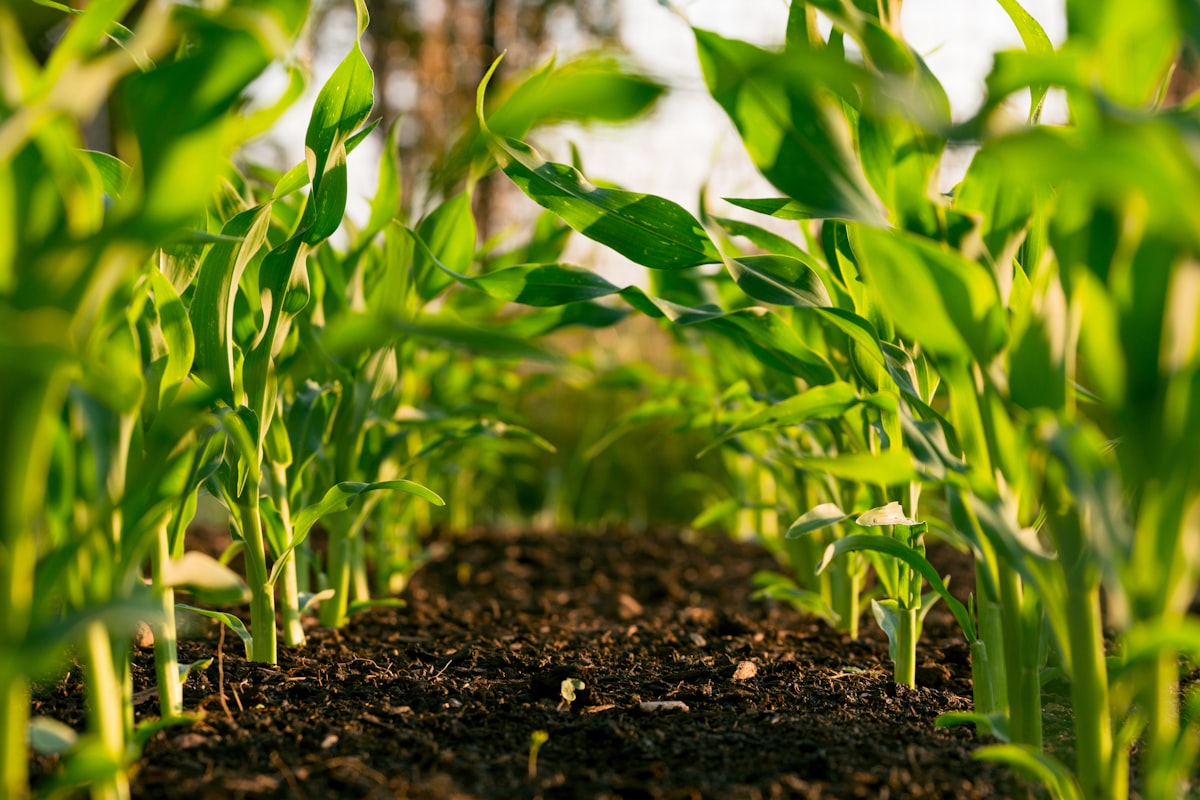
For generations, farmers in Machakos have saved, exchanged, and sold traditional seeds – drought‑resistant maize, indigenous beans, sorghum, and millet. In 2025, a multinational corporation threatened to sue a farmers’ cooperative for “patent infringement” after the cooperative shared seeds that the corporation claimed were derived from its patented hybrid. The case, heard in the Machakos High Court, ended in a landmark ruling that recognised the rights of small‑scale farmers to preserve, use, and exchange indigenous seeds. This article explains the ruling and its implications.
Facts of the Machakos Seed Case
The corporation (a seed company) held a Plant Breeders' Rights (PBR) certificate for a maize variety. The farmers argued that they had been cultivating the same local variety for over 50 years – long before the company's alleged “invention”. Through historical records and community testimony, they proved that the seed was indigenous and had been adapted through traditional selection.
The High Court's Decision
- The court held that indigenous seeds and associated traditional knowledge are protected under Article 11 and 40 of the Constitution as part of cultural heritage.
- Plant Breeders' Rights do not extinguish pre‑existing farmer rights – a farmer can continue using the seed if it was already in possession before the PBR application.
- The court declared that any “patent” or “PBR” granted over a seed that is essentially derived from an indigenous variety is invalid unless there is prior informed consent and benefit sharing with the local community.
Practical Implications for Machakos Farmers
- Freedom to save seeds: You can harvest, clean, and store seeds from your harvest for the next planting season – even if the variety is protected by PBR.
- Exchange with neighbours: Non‑commercial exchange of indigenous seeds among farmers is lawful.
- Seed banks: Community seed banks can be established without fear of IP lawsuits.
- Commercial sale limited: You cannot package and sell protected seeds under the company's brand name without a license. However, selling indigenous seeds as “traditional variety” is allowed.
How to Document and Protect Indigenous Seed Varieties
- Register the seed variety with the National Gene Bank of Kenya.
- Prepare a community protocol describing the seed's history and usage.
- Engage a lawyer to file a “traditional knowledge registration” with the Kenya Industrial Property Institute (KIPI).
"This ruling is a victory for food sovereignty. It says that corporate greed cannot erase generations of farmer innovation. Our grandmothers’ seeds belong to us, not to a laboratory." — Faith Musyoka, Advocate for Farmers' Rights
Musyoka & Mutinda offers legal services to farmer cooperatives and indigenous seed banks. We can help you challenge invalid PBR claims or register your community's traditional varieties.